The camera at the gateSection 2
How a varco works, from the pole to the post
The camera does not stop you. It records you — and the consequences arrive later, sometimes much later.

The hardware at the gate
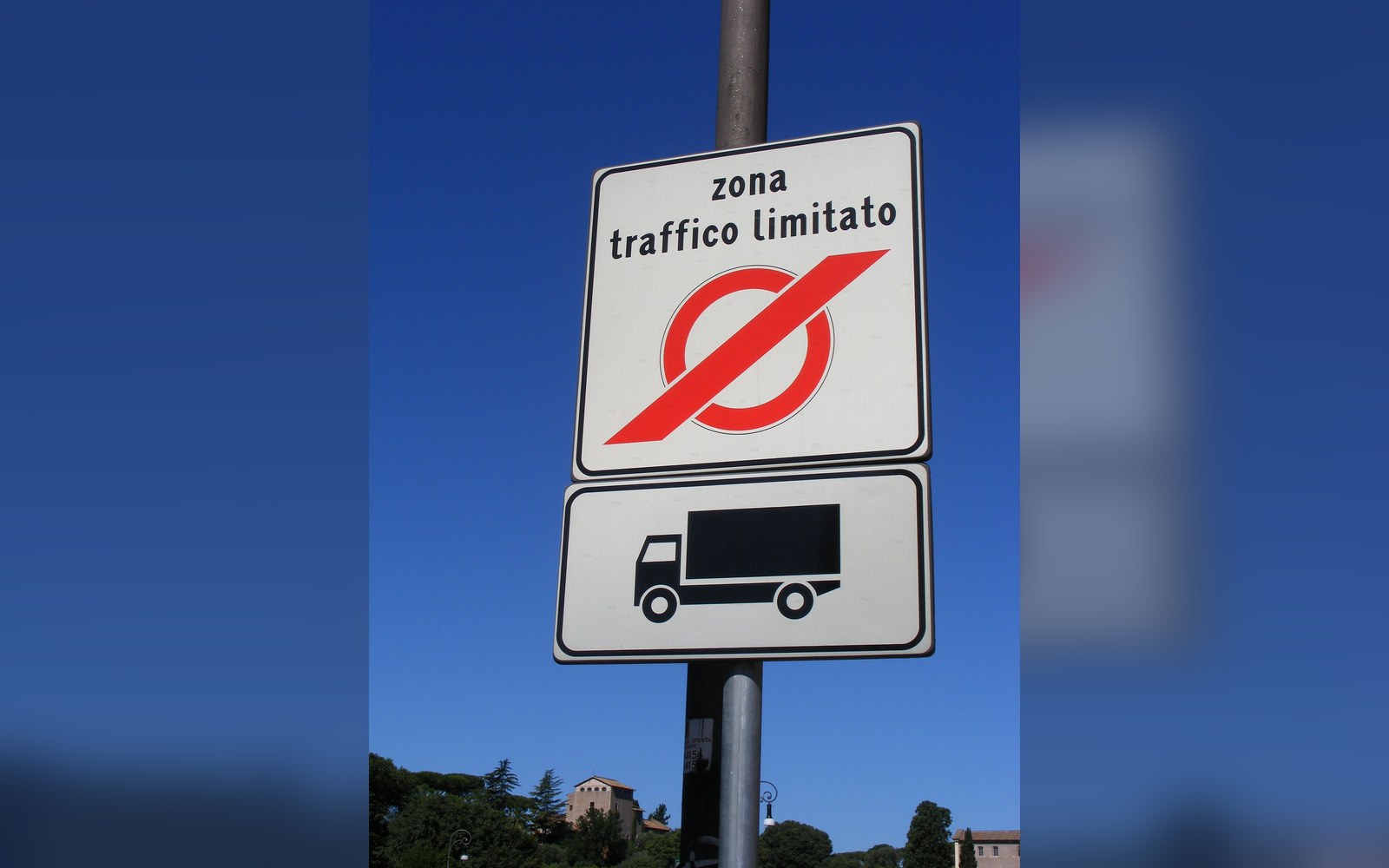
A varco (entry point) is, at its most basic, a camera on a pole aimed at the carriageway entering a restricted zone. In most Italian historic centres the zone is a ZTL — zona a traffico limitato, a limited-traffic area defined by municipal ordinance and enforced entirely by camera rather than by any physical barrier. You will not find a boom gate or a uniformed officer. What you will find, usually mounted two to four metres above the road on a gantry or bracket, is an OCR camera — optical character recognition — capable of reading a number plate at normal approach speed in daylight, low light and rain.
The camera is almost always paired with a second unit angled to capture the rear plate as a vehicle clears the line. In busier ZTL entries a supplementary wide-angle camera records the vehicle's make and body type alongside the plate, which matters when a permit is issued for a specific vehicle class. A flashing amber light on the same pole signals that the camera is active; this is the one visible warning you get. The varco is not always dramatic — in Lucca, whose complete circuit of Roman and Renaissance walls contains a ZTL enforced at multiple gates, the hardware is modest enough that first-time visitors drive past it before they have understood what they saw.

The check: plate against list
The image captured at the varco is processed in real time against a permit database held by the municipality. The process is automated: software reads the plate string and queries the database for a match. If the plate matches a valid permit — a resident's authorisation, a service vehicle exemption, a hotel guest code that the guest has registered in advance — the system logs the entry as permitted and nothing further happens. If no match is found, the system logs an infringement, timestamps it, stores the image pair and queues it for administrative processing.
What constitutes a permit is defined locally and changes locally. A residence permit in Naples does not transfer to Florence. A hotel in the historic centre of Siena may issue a guest code valid only for the hours of check-in and check-out, and only via a prior online registration by the guest. A ZTL in a smaller comune may restrict access to residents and emergency vehicles alone, with no tourist access category at all. The municipality decides the permit categories; the camera enforces them; the varco itself is agnostic.
For a campervan there is a further complication. Many Italian ZTLs define permitted vehicles by category, and a campervan — classified under Italian highway code as an autocaravan — may sit in a category that is excluded regardless of permit. Some municipalities apply additional weight or length limits at the varco entry that are separate from any permit status. The camera at the gate covers the specific question of vehicle category and ZTL access in more detail; the point here is that the varco is reading the plate, not sizing the vehicle. It cannot see that you have turned in by mistake, and it does not care.
What the system queues
An unmatched plate generates an administrative infringement record. Italian ZTL enforcement operates under the Codice della Strada (the national highway code), and municipalities process ZTL violations as administrative sanctions rather than criminal ones. The infringement is processed by the municipal police — the polizia locale or, in some cities, the polizia municipale — whose staff review the camera images, confirm the plate read and the absence of a permit, and issue a formal notice.
This processing step is where the timeline opens up. Italy allows municipalities considerable latitude in the administrative window for issuing ZTL notices, and in practice the paperwork moves slowly. A notice generated in June in a busy city may not be issued until September. For a foreign-registered vehicle the process takes longer again: the municipality must request keeper data from the vehicle's country of registration through a mutual assistance channel, and that request adds further weeks or months to the timeline. The EUCARIS system — the European Vehicle and Driving Licence Information System — provides the primary mechanism through which Italian municipalities query the keeper registers of other EU member states. Non-EU plates trigger a different and less streamlined process.
The municipality decides the permit categories; the camera enforces them; the varco itself is agnostic.
The letter's journey
The notice, once issued, must reach the registered keeper. For an Italian-registered vehicle that is straightforward: the address on the vehicle register receives the notice by recorded post. For a foreign-registered vehicle the notice is sent to the keeper address returned by the EUCARIS query or its equivalent. A hire vehicle presents a distinct chain: the rental company's name and address appear on the register, the notice arrives at the company, and the company's terms and conditions almost invariably allow it to pass the liability to the hirer. The company may charge an administrative handling fee on top of the underlying sanction. When the letter arrives traces that specific chain from the hire company to the original driver.
For a privately owned foreign vehicle the notice arrives at the address of record in the home country's register. Whether it arrives promptly, whether it arrives at all, and whether ignoring it has practical consequences depends on the bilateral enforcement arrangements between Italy and the keeper's country of residence. Within the EU, enforcement cooperation has strengthened considerably since 2011 under the Cross-Border Enforcement Directive, and payment is increasingly recoverable through domestic courts if ignored. The EU's CBE Directive information page describes the current framework. Outside the EU the picture is patchier, and the notice may not arrive at all — and in any case the plate remains on record in the Italian system, which may affect re-entry on a subsequent visit.
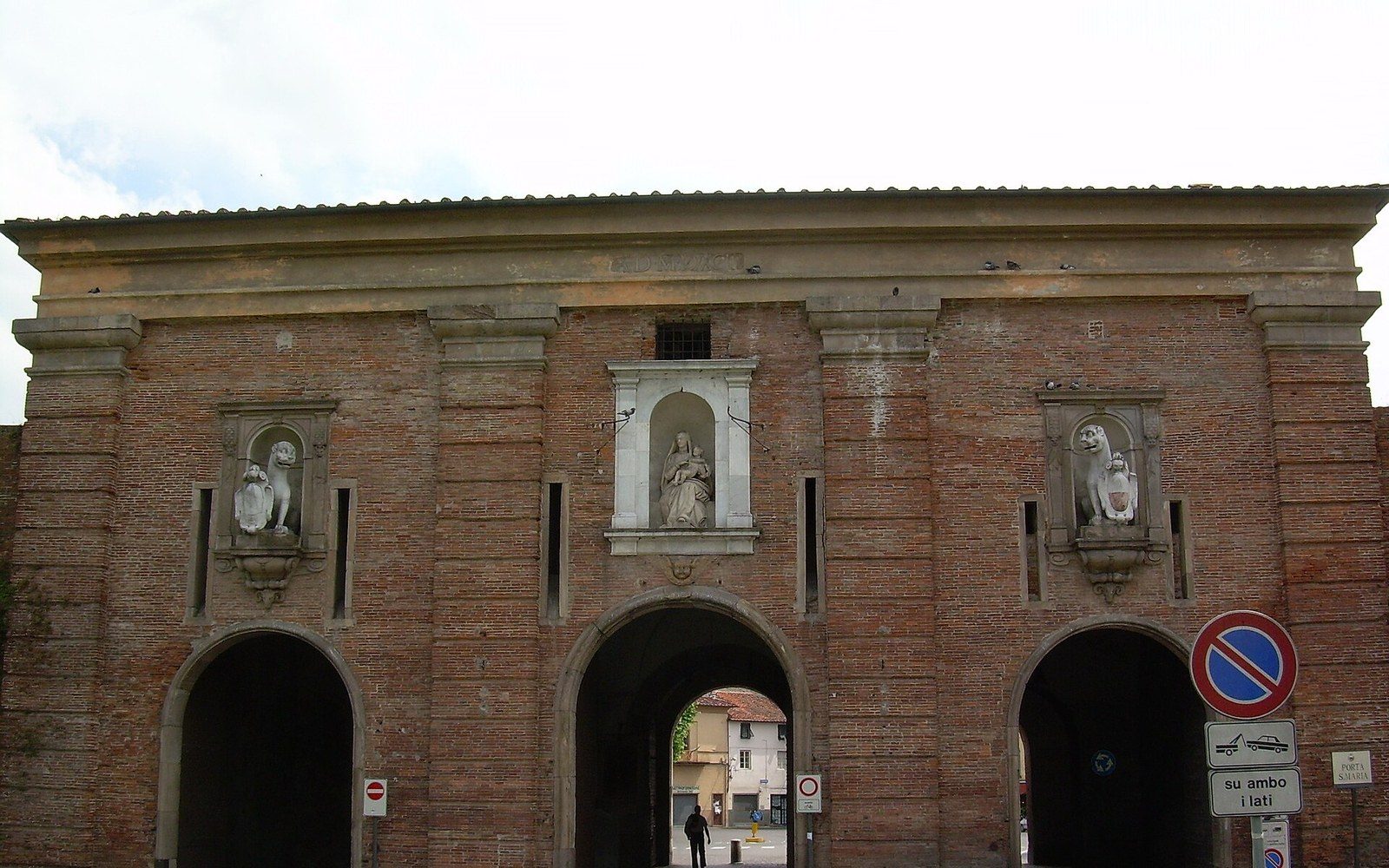
The gap between the gate and the envelope
The sequence — camera triggers, plate is read, database returns no permit, record is queued, notice is issued, notice travels — means the gap between driving through a varco without authorisation and learning about it can run to several months. This is the characteristic that most surprises campervan travellers who are used to immediate enforcement: there is no roadside interaction, no visible consequence, no moment at which to explain or to turn around. The pole and its camera are the entire interface. Everything that follows is postal.
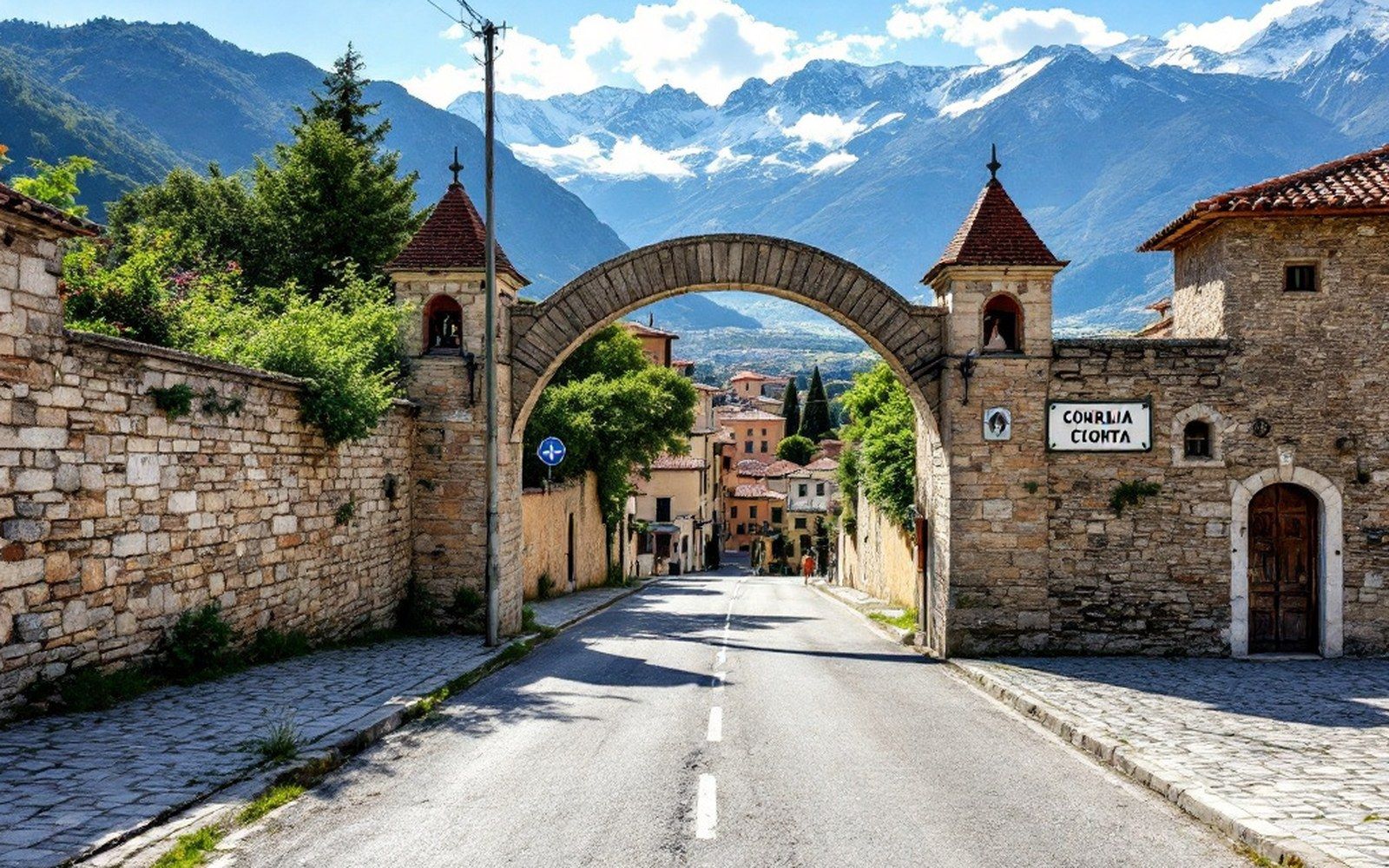
The absence of a physical barrier also means that a navigation error — taking a wrong turn into a historic centre at the wrong time — is indistinguishable from a deliberate entry as far as the system is concerned. The camera does not record intent, and the municipality's administrative process has no mechanism for receiving an explanation before a notice is issued. A varco in the Dolomites resort town of Cortina d'Ampezzo operates on the same principle as one in the centre of Naples: the hardware is modest, the consequence is administrative and delayed, and the gap in between is the thing worth understanding before you drive.
Non-EU plates trigger a different and less streamlined process.