North to south, out of seasonSection 4
Tuscan back roads, and where a long vehicle should not go
White gravel, gentle gradients, cypress lines — and then a gate pillar twelve centimetres from your mirror.
The strade bianche problem
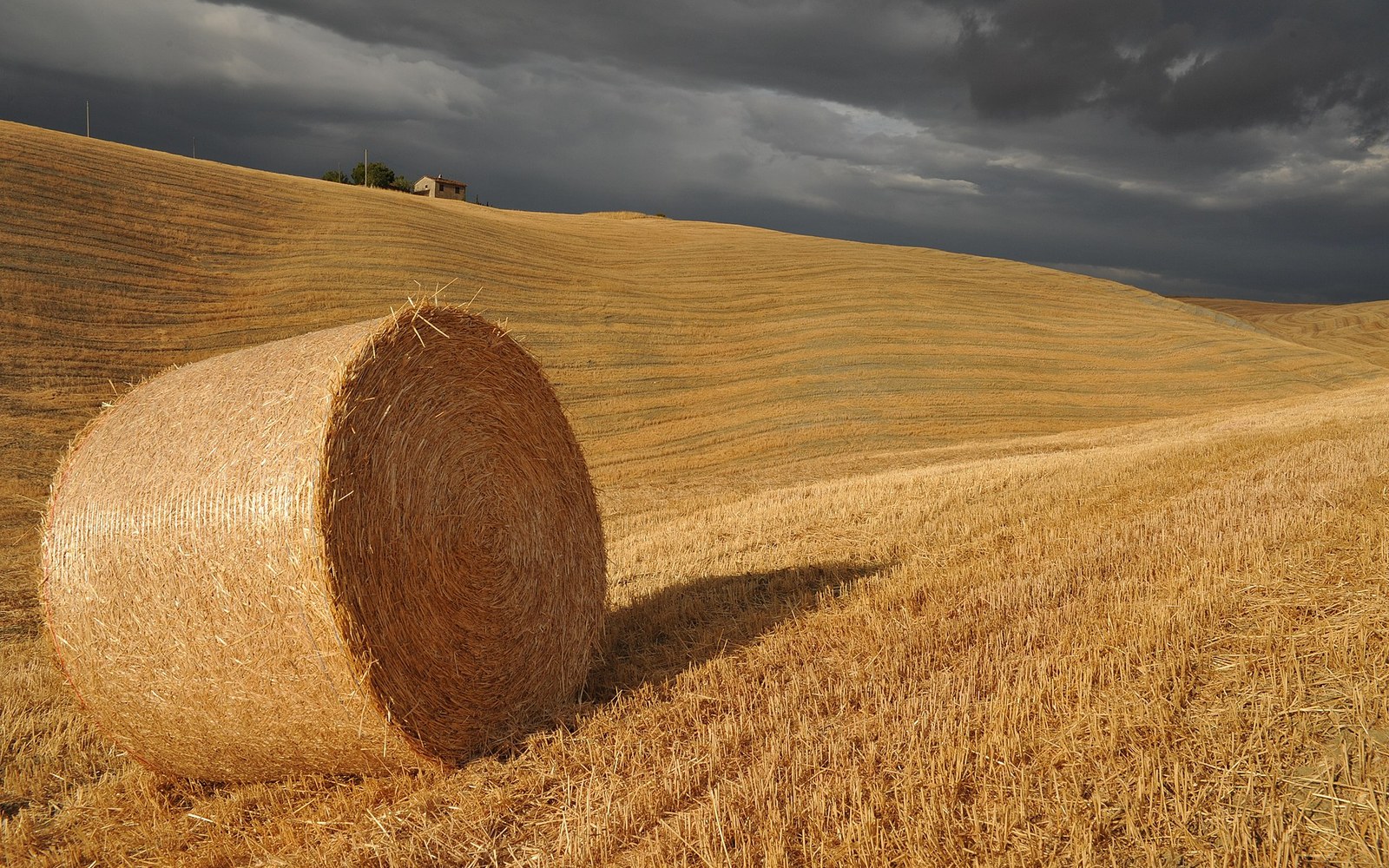
Tuscany's strade bianche — unpaved white gravel roads — run between olive groves and agriturismo farmhouses across the Crete Senesi, the Val d'Orcia and the Chianti hills. On a map they look navigable. The surface often is. What the map does not show is the width at the moment another vehicle appears coming the other way.
A passing place, where it exists at all on these roads, is typically a widened verge or a farm gate entrance, not a formal layby. A vehicle up to about five metres can usually reverse to one and wait. A motorhome above seven metres is already in a different calculation: reversing on loose gravel on a camber, watching a wing mirror track past stone walls, through a gap that was built for an ox cart. The mathematics of turning circle and vehicle length on a single-track road do not care about the scenery.
The roads themselves carry no legal prohibition on length, in most cases. The constraint is physical. Stone gate pillars, drainage channels cut flush with the road edge, and hairpin entrances to farmyards all set an effective maximum that a long vehicle hits before any sign tells it to stop.
What the route planner does not calculate
Standard navigation apps route on surface type and road classification, not on usable width or the presence of passing places. A strada bianca that is classified as a secondary road gets the same treatment as a provincial two-lane. The difference only becomes apparent at the first pinch point, which on the more popular routes between Siena and Montalcino can be within the first kilometre.
Lucca's surrounding countryside presents a similar problem by a different route: narrow paved lanes between medieval walls and agriturismo gates, posted at 3.5 tonnes in places, with no realistic turning point for several hundred metres in either direction. The 3.5-tonne limit, where signed, does have legal force — and a gross vehicle weight above that figure makes the van non-compliant whether or not enforcement is present.
The Dolomites have their own version of this problem at altitude; Tuscany has it at the level of the farm track, repeated across thousands of kilometres of identical-looking road. The difference is that alpine passes are documented and discussed, whereas the strade bianche simply look approachable until they are not.
A working logic for Tuscan routing
The Val d'Orcia and Chianti are genuinely accessible to a motorhome — on the SP roads (provincial highways) that connect the major settlements. The SS2 Via Cassia runs the length of the region north to south without drama. San Quirico d'Orcia, Montalcino, Radda in Chianti and Greve in Chianti all sit on routes a long vehicle can reach without leaving tarmac of adequate width.
The agriturismo itself is the destination that creates the problem. Many are signed from a provincial road and then accessed by a kilometre or two of estate track. Worth phoning ahead — not to book, but to ask the factual question: what is the usable width at the gate, and is there a turning area inside? An agriturismo that hosts campervans regularly will know the answer and give it plainly.
The broader logic is the same that applies anywhere in Italy where historic land use shaped the roads before motor vehicles existed: the road is as wide as it needed to be for the traffic that built it. In Tuscany that means mules, carts and seasonal labour. It means the cypress avenue in the photograph is often the last fifty metres before the track narrows to something a long vehicle cannot safely negotiate — and certainly cannot reverse out of in the dark.