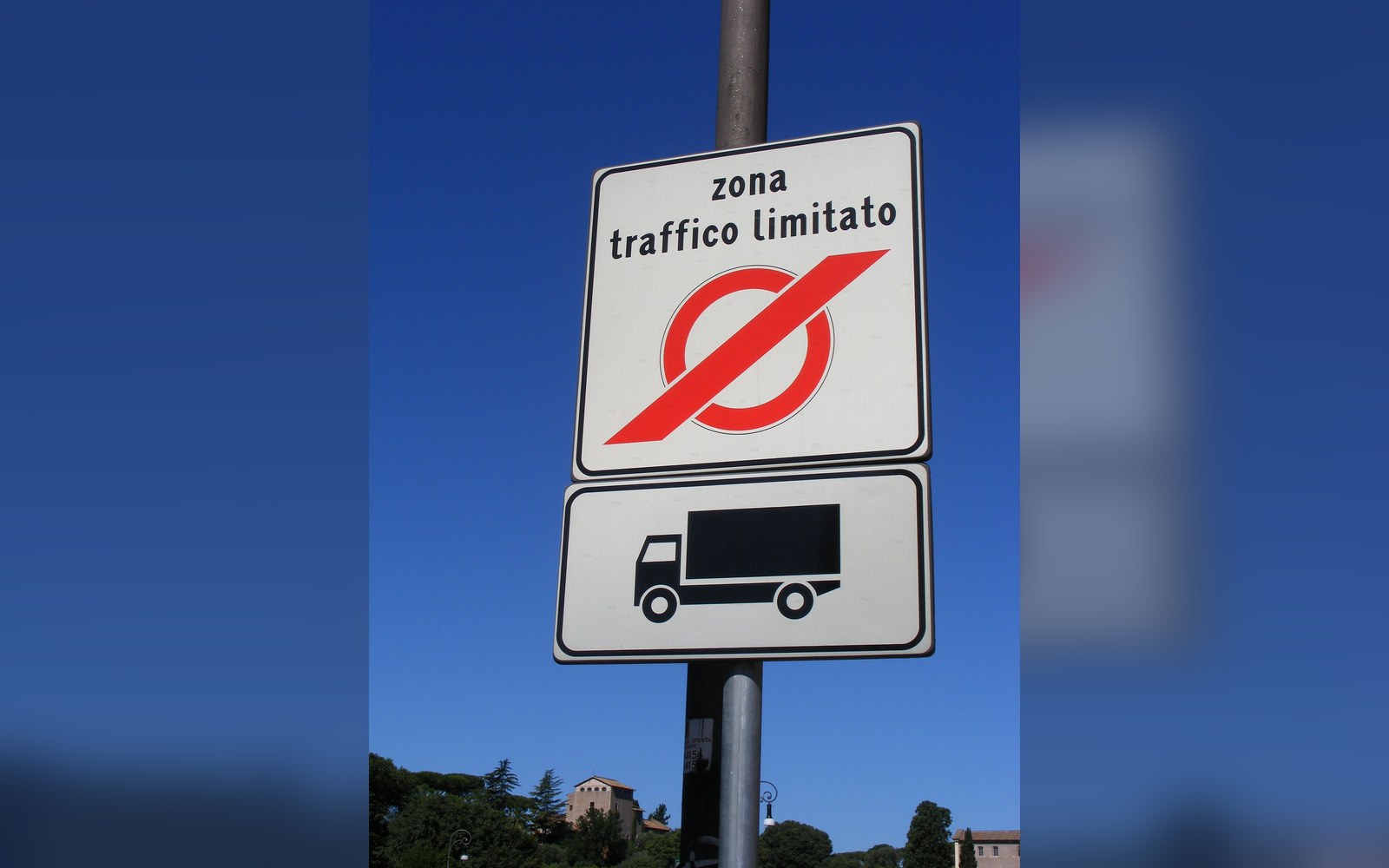
The camera at the gateSection 2
When the Letter Arrives
The fine is already weeks old by the time the envelope finds you — and understanding the chain explains why.

How a foreign plate reaches a foreign address
A ZTL camera reads a plate in real time. What it cannot do in real time is know whether that plate belongs to a permitted vehicle, a resident, a delivery holder, or a tourist who wandered through the varco — the camera-equipped entry point — without understanding what the sign meant. The image is logged, the plate number is passed to the local municipal police (the vigili urbani), and the process of identifying the keeper begins.
For an Italian-registered vehicle this is straightforward: the national vehicle register, the Pubblico Registro Automobilistico, holds the keeper's address and the notice can move quickly. For a foreign-registered vehicle the municipality must go through an inter-state channel, which in practice means a request to the keeper's national vehicle authority, routed either through a bilateral agreement or through a private third-party tracing company contracted by the municipality. Either way, weeks pass — sometimes months.
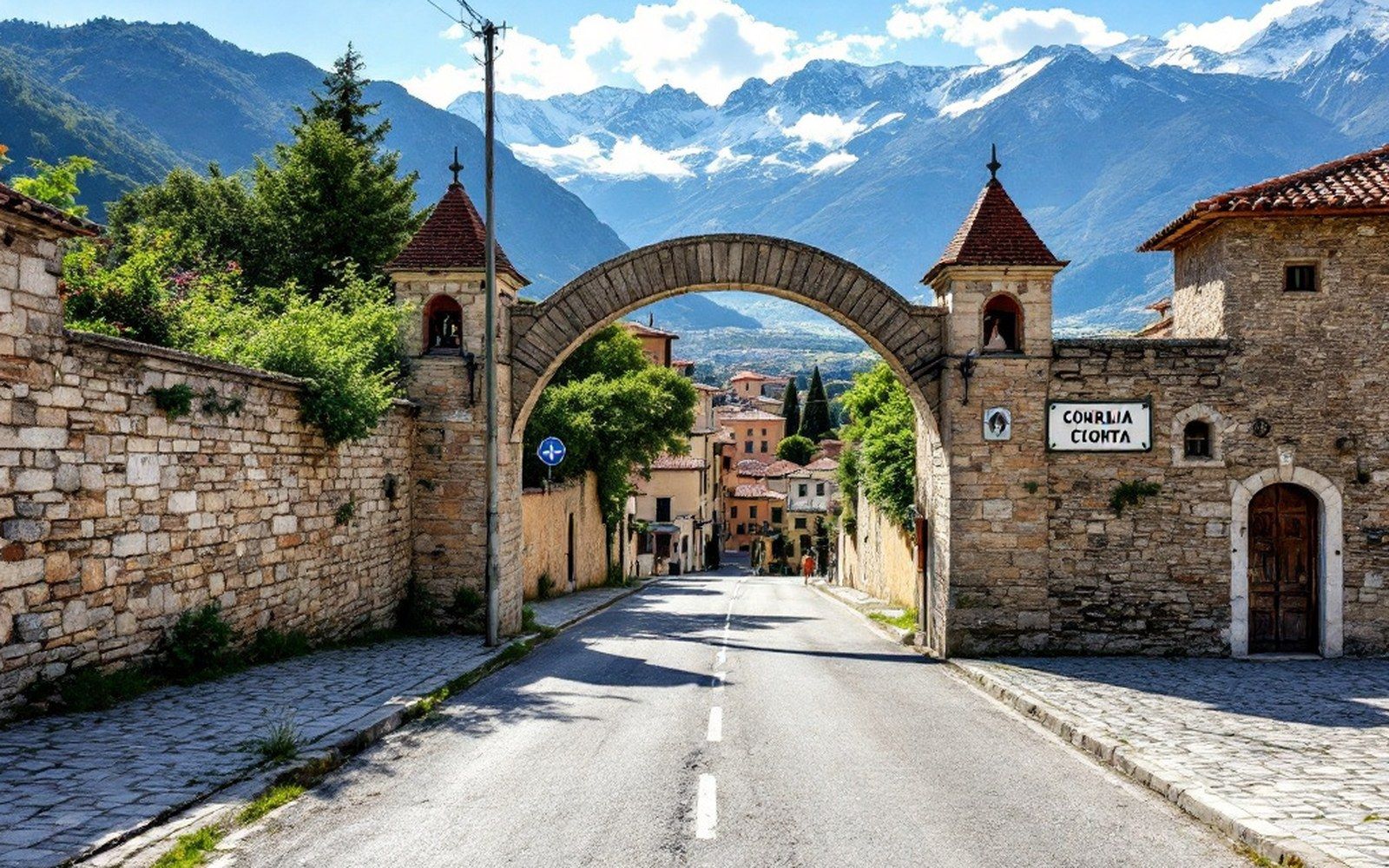
The delay is structural, not accidental, and it has consequences in both directions. The keeper receives a notice so long after the event that the drive through Lucca or the wrong turn near a Dolomites resort village has long since dissolved from memory. The municipality, meanwhile, is entitled under Italian administrative law to count the notice period from the date of service, not the date of travel, which means the window to pay the reduced rate — available in the early days after issue — may already be narrower than it looks when the letter arrives.
The hire-company route and the forwarded charge
When the vehicle is a hire van rather than a privately owned one, the chain is different again. The camera reads a plate registered to the hire company, not to you. The municipality issues the notice to the company's address, which the company receives promptly. What the company does next depends on its own terms and the rental agreement you signed.
Most hire agreements include a clause authorising the company to provide your details to the issuing authority and to pass on any administrative charge for doing so. Italian consumer law does not cap that handling fee, and it varies considerably between operators. The notice that eventually arrives in your name — now re-issued to your home address — will have a date of service later than the company's original receipt, resetting the payment windows again.
This forwarding mechanism is why a charge from a single trip can produce two or three separate items of post spread over several months: the hire company's handling invoice, the official municipal notice addressed to you, and sometimes a reminder if the payment deadline on the re-issued notice fell while it was still in transit.
What the letter actually contains
A properly issued ZTL notice issued against a foreign keeper must, under EU Directive 2015/413 — which facilitates cross-border exchange of road-safety-related traffic offence information across member states — include the nature of the infringement, the location and time, the amount due, and instructions for contesting the charge. The directive covers a defined list of offences; unauthorised entry into a ZTL is not clearly among them, so Italian authorities may rely on other channels.
The notice will state a deadline by which payment at the reduced rate is possible, and a later deadline after which the full amount applies and, eventually, enforcement procedures begin. Both deadlines are counted from the service date on the notice itself — not from the infringement date, and not from the date you actually open the envelope.
None of this is a reason to enter a ZTL carelessly on the grounds that enforcement at distance is slow or unreliable. The systems communicate imperfectly, but they do communicate, and the municipalities that pursue foreign-registered vehicles most actively tend to be the cities with the highest volumes of tourist traffic — which are precisely the ones with the most ZTLs. Lucca's walls are a famous example: every road through the historic gates has a varco, and the vigili's cameras are not decorative.