North to south, out of seasonSection 4
The country, north to south, out of season
Drive Italy between October and May and a different country appears: more open, less crowded, and substantially harder to service.
The coast closes, the route moves
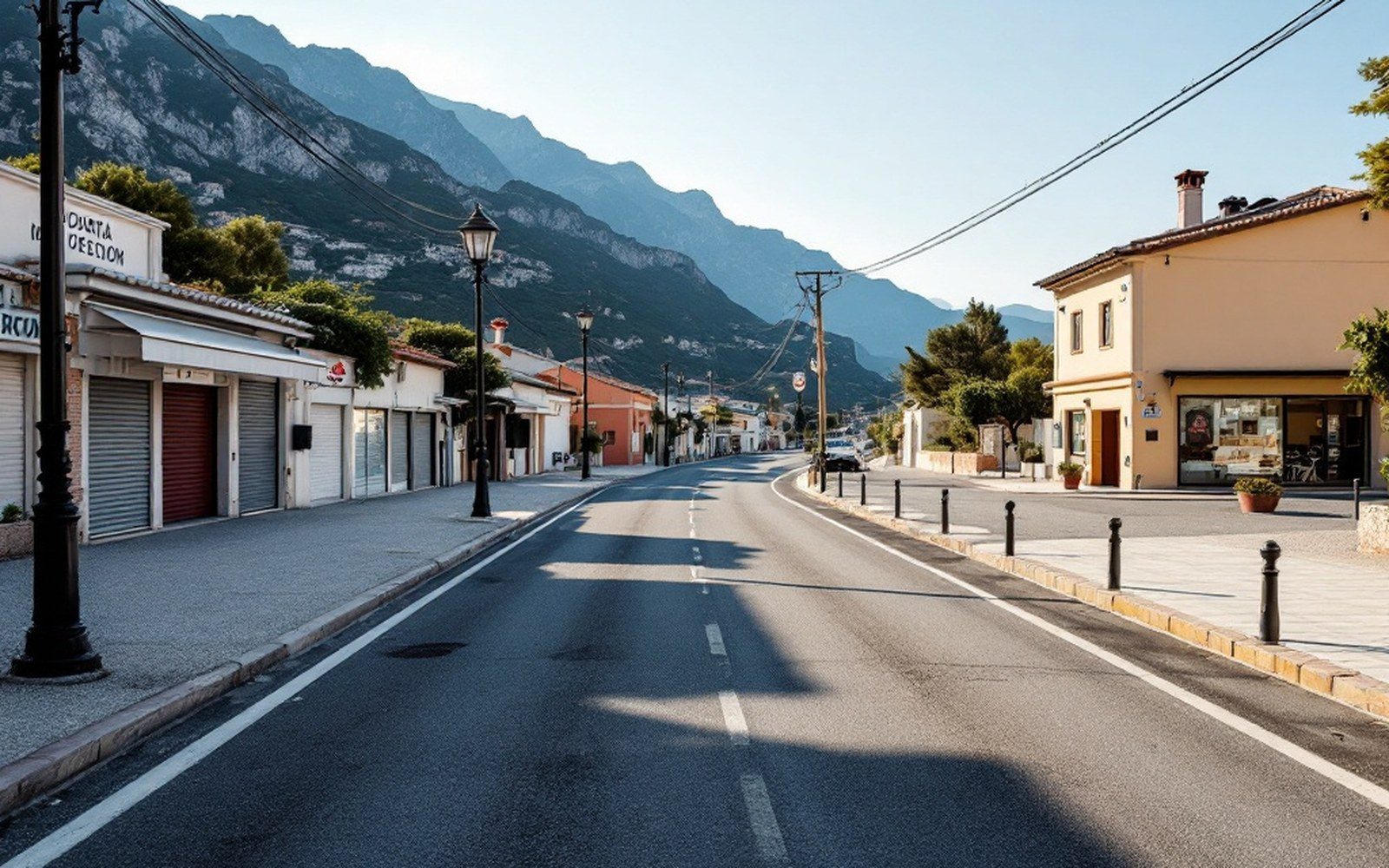
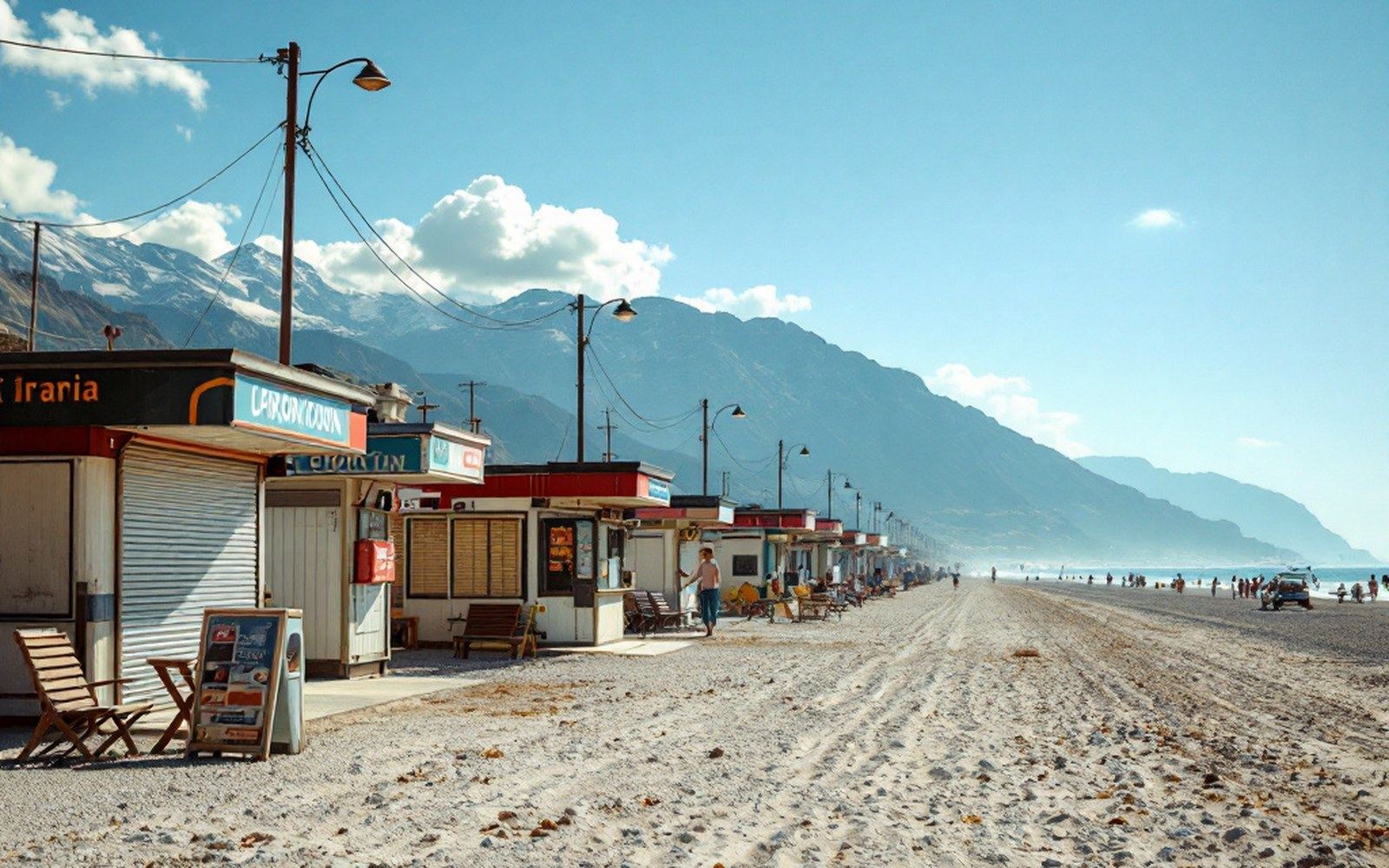
July and August are when Italy faces outward — beach bars, lido showers, seafront sostas unlocked and staffed, coastal campeggi running at capacity. The moment the school holidays end, the infrastructure retreats inland with remarkable speed. By early October, whole stretches of the Adriatic and Tyrrhenian coasts are functionally closed to a campervan: service columns drained and padlocked, campsite reception windows dark, the seasonal sostas that appeared on every app during summer simply gone from the ground. The route adjusts by necessity, not preference.
This is not a disadvantage dressed up as one. The hill towns are quieter, the agriturismo belt through Tuscany and Umbria remains partly open, and the roads that make driving a genuine pleasure — uncrowded, readable, lit by low winter sun — are the inland ones. But the adjustment has to be made deliberately and in advance, because Italy's out-of-season landscape is not evenly navigable.
North: the passes and the plateau
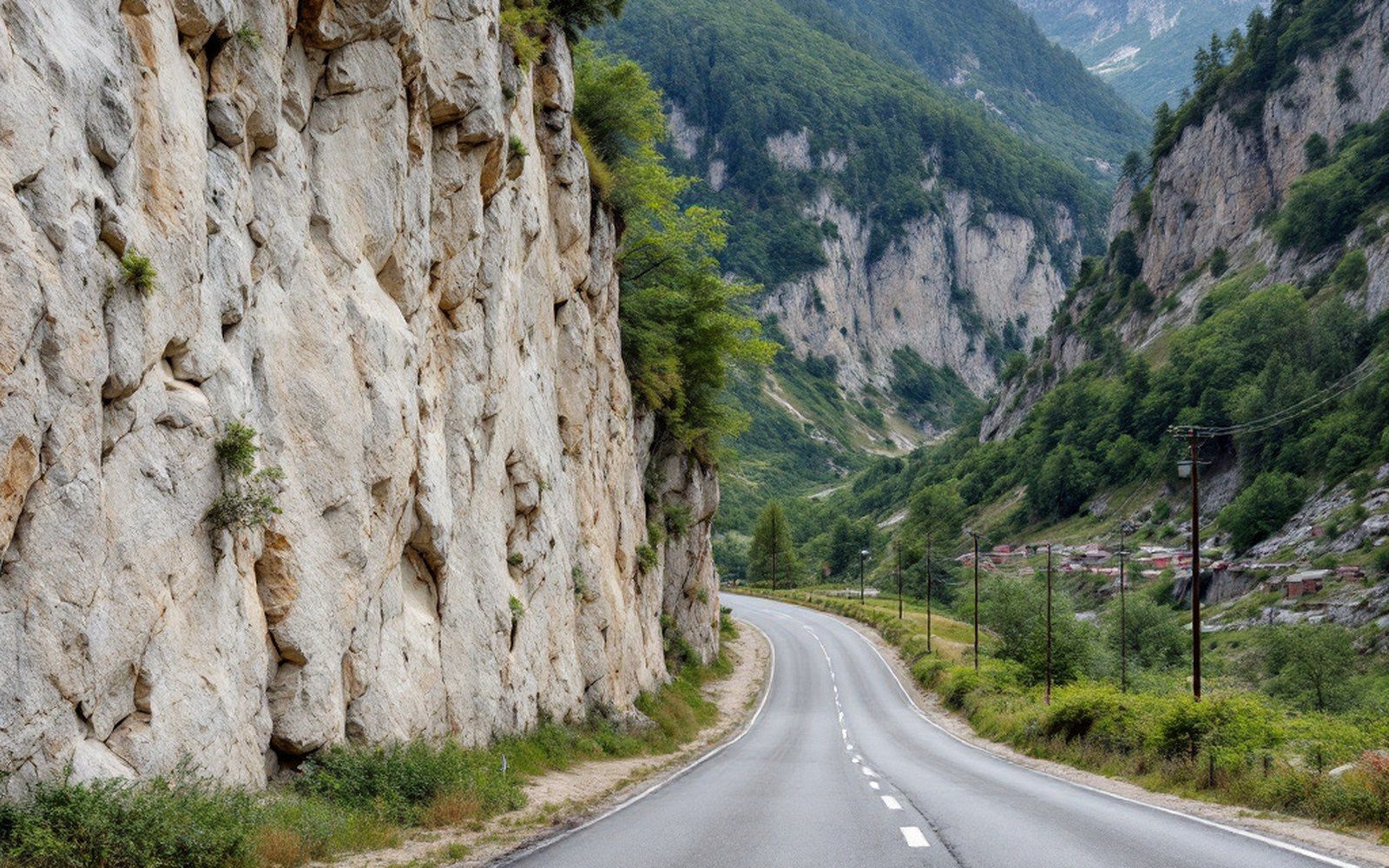
In the north, the first constraint is altitude and date. The Stelvio Pass, which connects Bormio on its western approach to Prato allo Stelvio in South Tyrol, closes reliably for winter — typically from November through late May, though the precise dates shift year to year with snowfall. The same applies across the Dolomites: passes that carry light tourist traffic in August become unmarked white on a planner's map by November. A van routed over them in summer needs a different line entirely out of season, dropping to the valley corridors and autostrade that stay open regardless of weather.
The Po Valley offers no passes but its own form of difficulty: fog. The pianura padana (the flat plain of the Po) sits in a bowl of cold air through winter, and the fog that settles on it is dense, persistent and genuinely dangerous on roads where trucks move fast. Driving north of the Apennines between November and February means accepting either the motorway, with its clear lanes and its service areas that run year-round, or the provincial roads through flat agricultural land with very limited visibility on certain mornings. Neither is Alpine travel. Both are valid.
The Dolomite valleys themselves — Bolzano, Bressanone, Belluno — remain inhabited and open throughout the year, with year-round sostas in several towns. The rifugi above the treeline are a different matter: mountain huts that serve walkers and climbers through the summer season close almost entirely by mid-October, and the high-altitude approach roads that lead to them may close earlier still. A campervan parked at the bottom of a closed road in January in Veneto is a van that has simply run out of forward motion.
The middle: where the season matters least
Between roughly Florence and Rome the out-of-season penalty is lightest. Tuscany's hill towns — Volterra, Montepulciano, Pitigliano — attract visitors year-round in modest numbers, and their sostas and nearby campeggi reflect that. The white gravel roads (strade bianche) between them remain passable in dry winter conditions, though a long wheelbase van should check road width before committing to one: what is merely tight in summer becomes a mud problem after a week of rain.
Lucca is worth noting specifically. Enclosed by its Renaissance walls and operating a full ZTL — a Zona a Traffico Limitato, a limited-traffic zone enforced by camera at every varco (gate) into the historic centre — it is impossible to drive into regardless of season. What changes out of season is the area di sosta outside the walls: a designated stopping point for campervans, it operates year-round and is one of the more reliable urban overnight stops in central Italy. The ZTL does not relax for winter; the enforcement is unchanged. What relaxes is the queue for the sosta.
Between roughly Florence and Rome the out-of-season penalty is lightest.
Umbria follows the same logic. Orvieto, Spoleto and Assisi maintain their ZTLs throughout the year and offer sosta facilities nearby that do not close with the summer. The practical effect is that the middle of Italy — between the Apennine ridge and the major coastal resorts — is the most liveable part of the country for an out-of-season van journey.
South: service thins, distances grow
South of Naples the equation changes again. The Campania coast — the Amalfi Drive, the Cilento — shuts almost completely out of season, not just in terms of camping infrastructure but of basic services. Fuel stations that operate seasonally, towns where the one open bar doubles as the only warm space for miles: this is a different register of remoteness from a padlocked sosta in Tuscany.
The Mezzogiorno receives less tourism in any season and its service network reflects that. An area di sosta in Basilicata or Calabria is worth confirming open before routing to it — apps and databases frequently carry listings that are accurate for summer and unreliable for January. The inland towns of Puglia (Alberobello, Matera across the regional border, Locorotondo) are open year-round and worth the detour, but the distances between confirmed services in the deep south require planning that the north, with its denser network, does not demand.
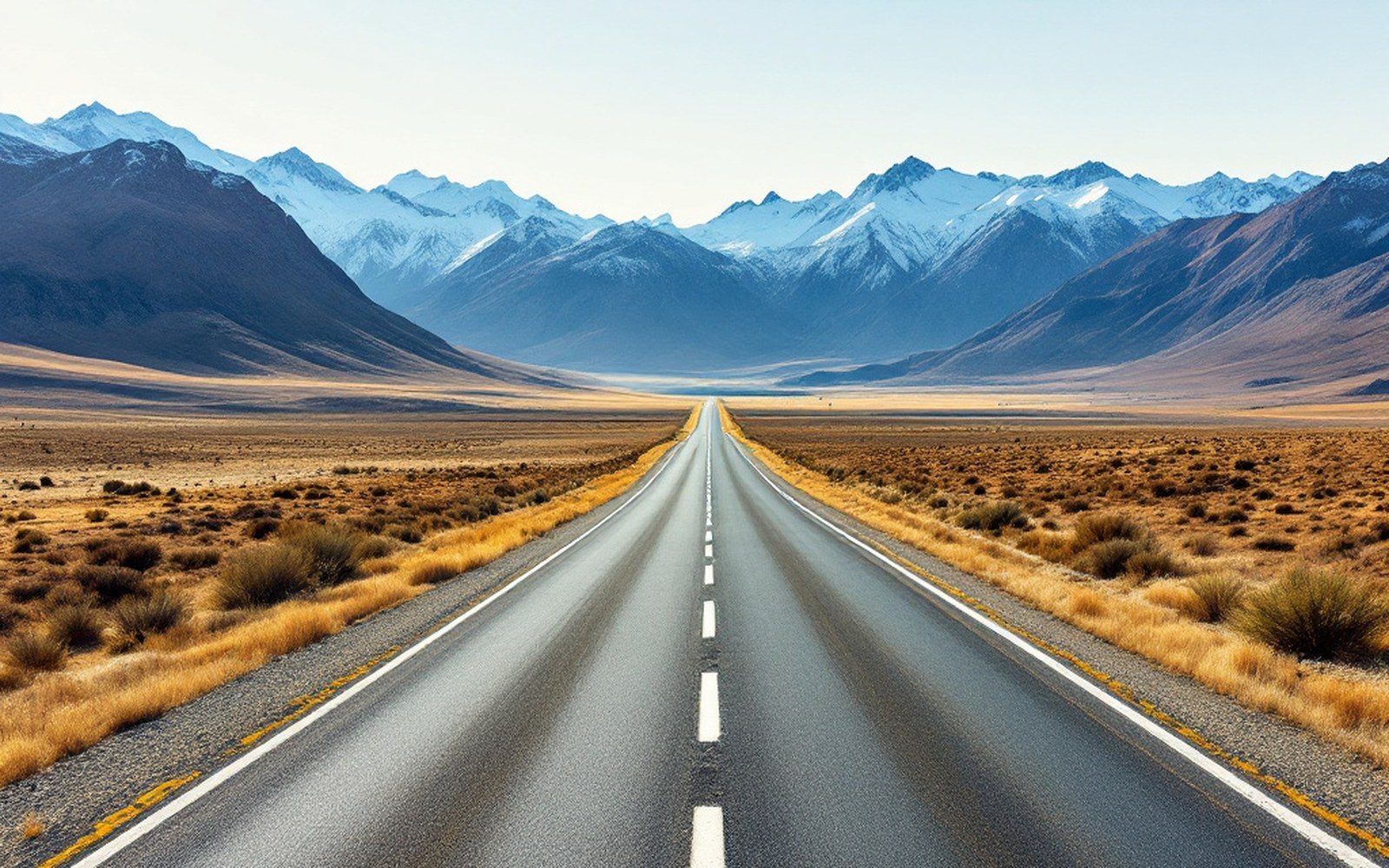
What the south does offer out of season is space and silence in quantities that are simply unavailable between June and September. Basilicata's landscape — the ravines around Matera, the Pollino mountains on its southern edge — is not a summer destination in the way that Amalfi is, and arriving in February means roads clear of the tour buses that clog them in warmer months. The trade is longer distances between services, against uncrowded access to places that can otherwise feel consumed.
The north-to-south run out of season is a different journey from the same journey in August: slower in the north where the passes dictate the line, more rewarding in the middle where the crowds have gone, and demanding real range planning in the south where the service network thins to something close to marginal. The country is worth driving; it simply needs to be read differently.
The country is worth driving; it simply needs to be read differently.