The camera at the gateSection 2
Nobody stops you at the gate
The ZTL camera fires and moves on. The barrier does not drop, the official does not wave you back — and that is precisely the problem.
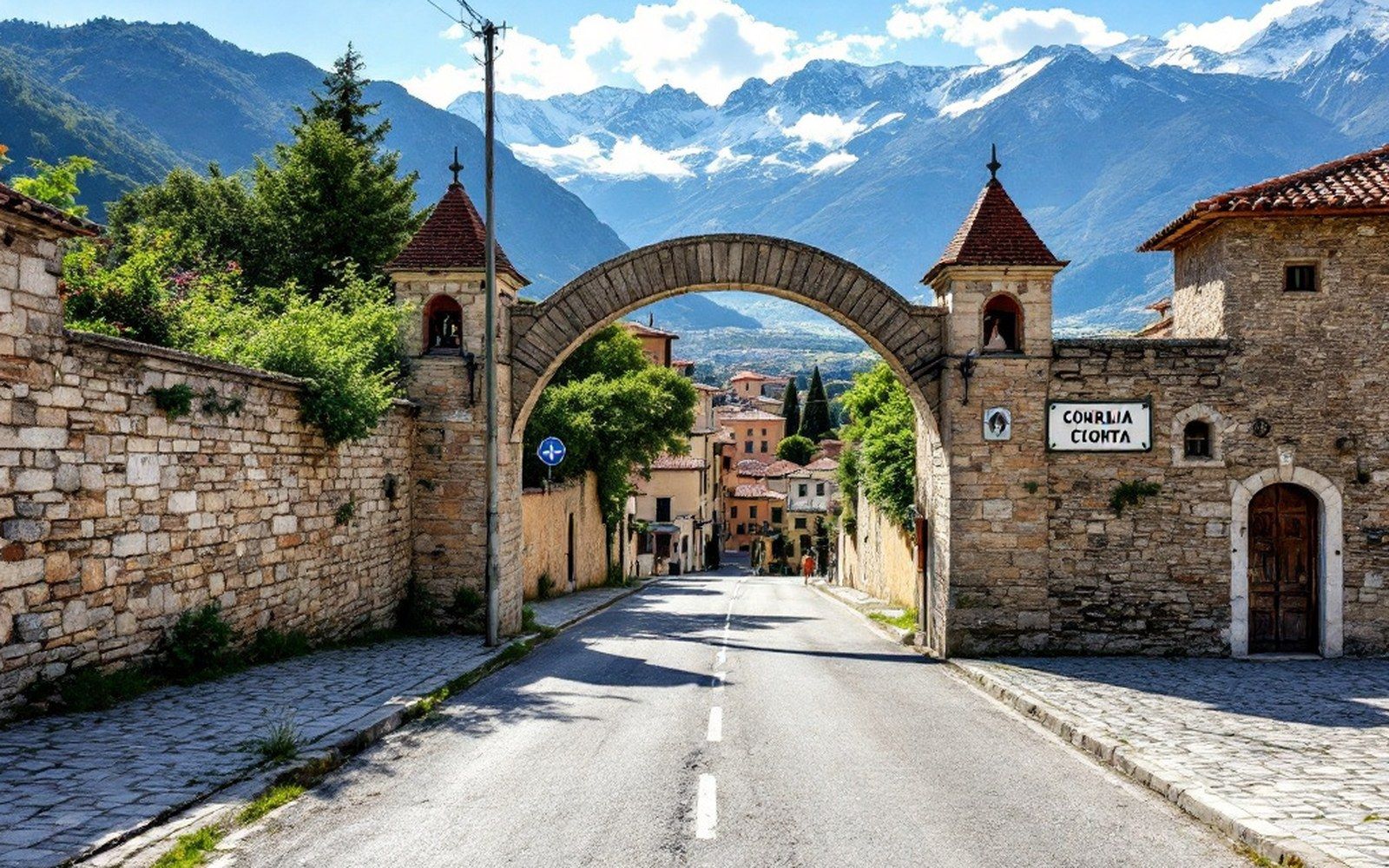
The system is designed to look like nothing
A varco (a ZTL enforcement point) is usually a camera mounted above the road, a small sign, and a coloured light — sometimes green, sometimes red, sometimes unlit because the zone is not currently active. In most cities the camera sits flush with a building, not at a checkpoint with a booth. Nothing physically prevents a van from passing through. The road continues on the far side looking exactly like the road behind.
That invisibility is structural, not accidental. Italian municipalities moved to camera-based enforcement across the 1990s and 2000s precisely because barriers and attendants are expensive and create queuing. The ZTL system operates under the Italian Highway Code (Codice della Strada) — specifically the provisions allowing communes to restrict traffic in defined urban areas — and the enforcement authority rests with the local police (Polizia Locale or Vigili Urbani), who process violations retrospectively from the camera log, not in real time at the road.
What the camera actually does in that fraction of a second is capture the plate, the timestamp and a photograph of the vehicle. That data goes to the municipal system and is checked against an authorised permit list. The check is not instant. The fine — if one is generated — arrives weeks or months later, forwarded through the vehicle registration system to the registered keeper's country of origin. For a foreign-registered campervan, that means the notice travels via the hire company's records or through the keeper's home registration. The delay is long enough that many drivers have crossed three more ZTL zones before the first letter is prepared.
What Lucca and Naples illustrate
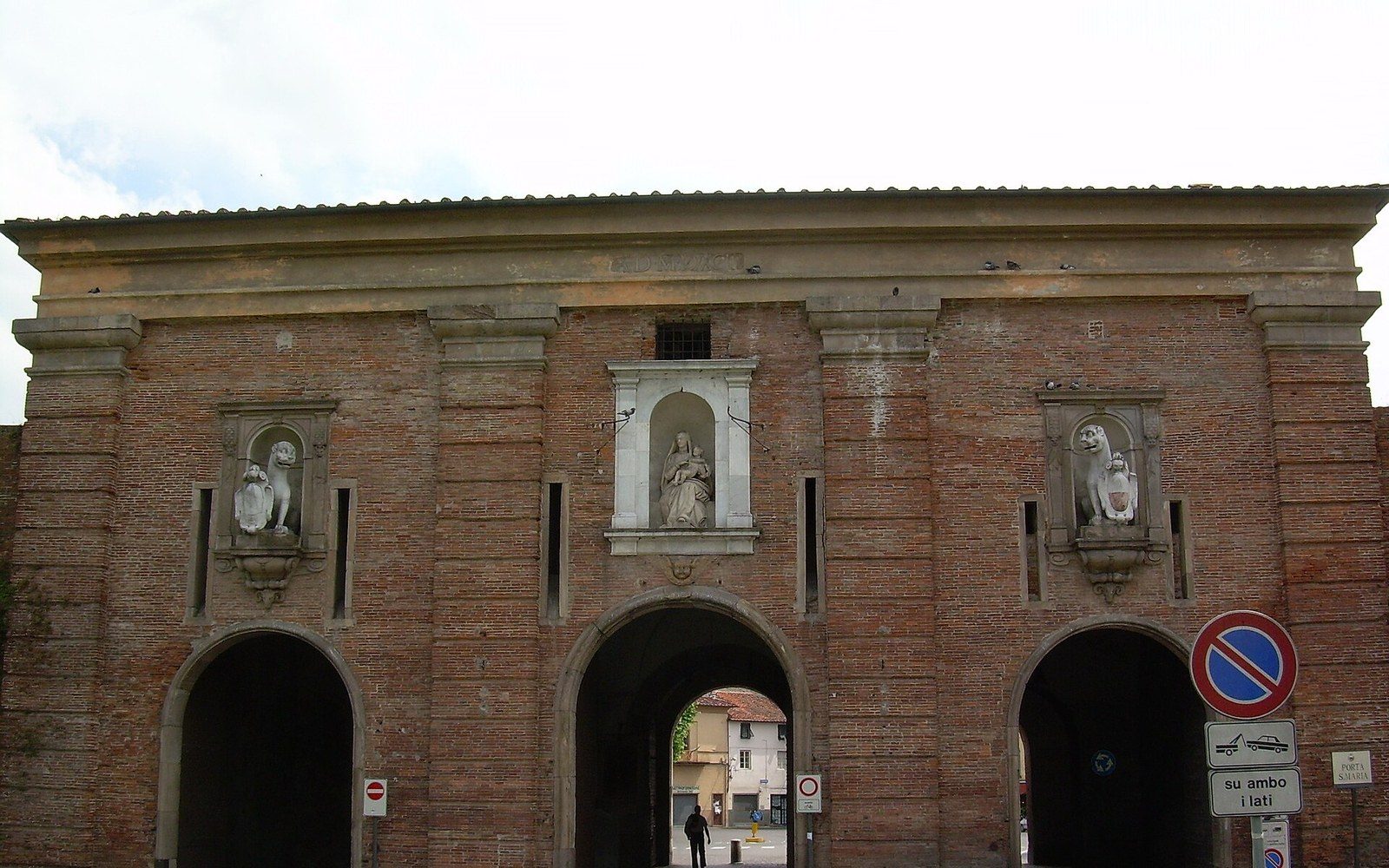
Lucca is worth naming because its ZTL boundary runs around the inside of the Renaissance walls, which are also a popular walking circuit. The varco cameras sit at the gate openings in those walls — real Renaissance masonry, a camera above, and beyond them an ordinary-looking piazza. The sign is there; the gate is open. Coaches and delivery vehicles with permits pass through on a schedule. A van whose driver mistakes the opening for a public road passes through too, and the camera records it regardless.
Naples operates a different geometry. The historic centre (the area known as the centro storico, listed by UNESCO as a World Heritage Site) has multiple active ZTL zones with overlapping boundaries, and some of those zones have time-based restrictions — active in the morning, suspended midday, active again in the evening. The time window does not announce itself visibly from inside the van; the driver who passed through during a suspended period and then loiters until the restriction resumes may not know which crossing generated the fine or when.
Both cities are instructive not because they are unusual but because they are typical. The mechanism is the same in a small hill town with one gate as in a large southern city with a dozen.
What the camera records and cannot forgive
The camera has no mechanism for intent. It does not distinguish between a driver who misread the sign, a driver who did not see it, and a driver who ignored it. The plate is read, the permit list is checked, and the absence of a permit is noted. A van that has crossed the same varco five times in one afternoon because the driver got lost inside the zone generates five separate records. The municipal system may consolidate them or may not; that varies by commune.
Understanding how a varco works from camera to post is the preparation the static road atlas cannot give you. The gate looks like nothing. That is the point. The record it makes does not.
A van whose driver mistakes the opening for a public road passes through too, and the camera records it regardless.