Italy measures the vanSection 1
A sosta is not a campsite
One is a service point, the other is a regulated site — and confusing the two has consequences for where you stop and how long you stay.
What an area di sosta actually is
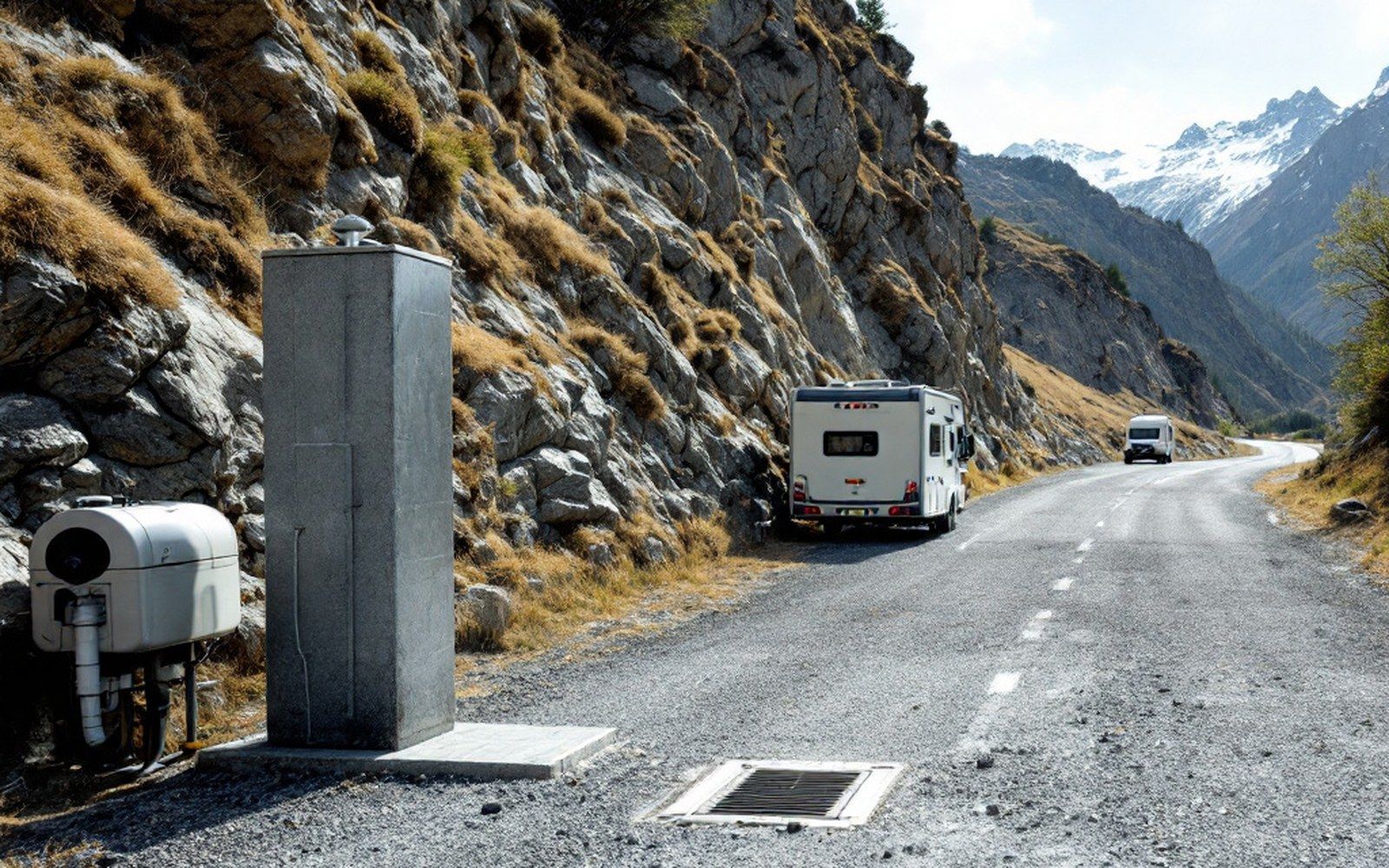
An area di sosta — literally a stopping area — is infrastructure, not accommodation. The canonical version is a hardstanding with a service column: fresh water in, grey water out, and a chemical toilet dump point. Some have electrical hook-up posts. Most have marked bays, often with a length limit painted on the asphalt, because the space was designed for a specific range of vehicles. A bay marked at seven metres will not comfortably take an eight-metre motorhome, and beyond fitting in the bay, nothing else is on offer. There is no reception, no warden making rounds, and usually no toilet block. The column is the facility.
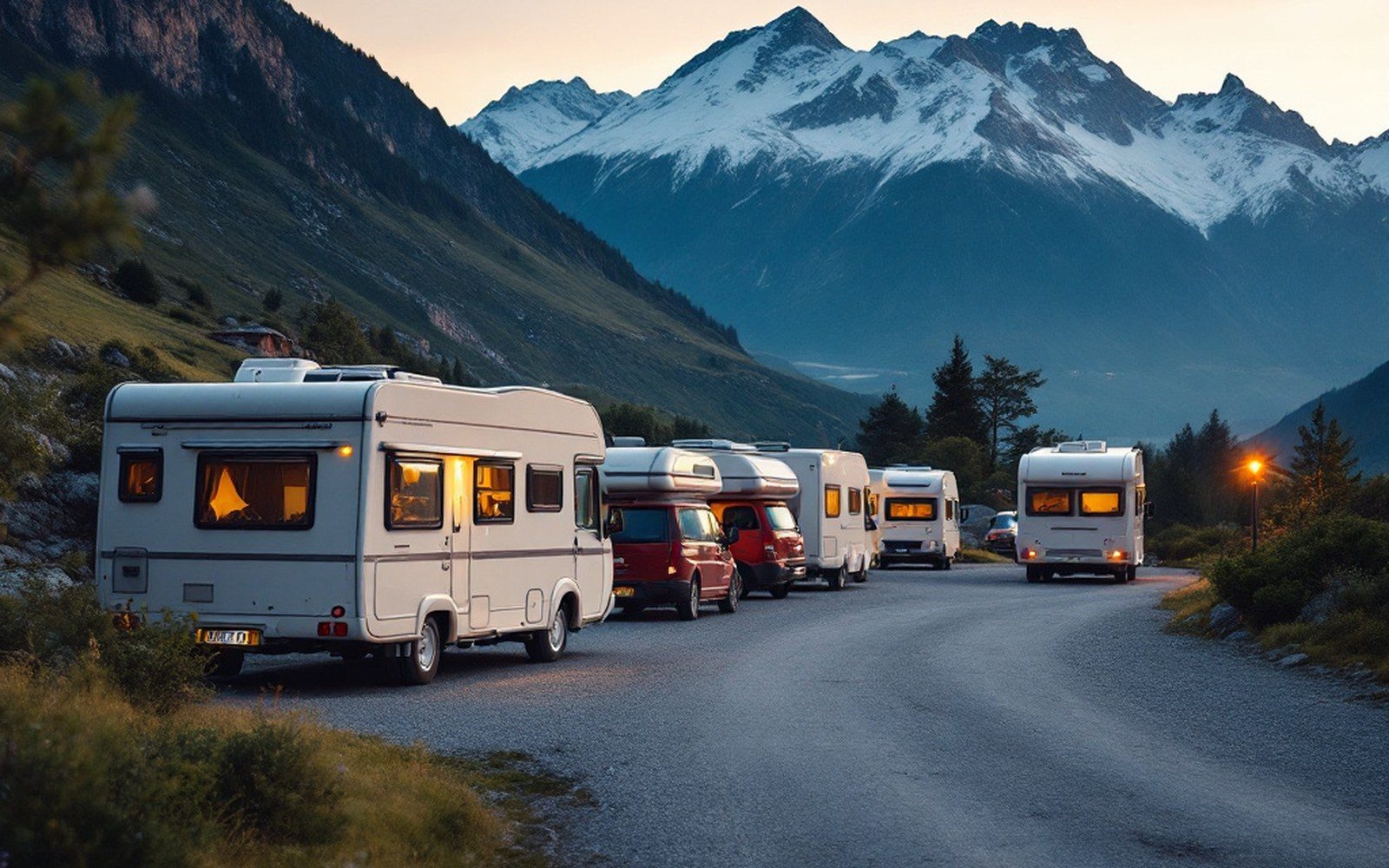
Sostas are typically operated by a municipality, a tourism consortium, or a private individual with a parking concession — and the operating conditions vary accordingly. Hours of permitted stay are set by the operator: twenty-four hours at some, forty-eight at others, with a maximum written on the sign at the entrance. That sign carries the rules, and those rules are the agreement. A sosta near a beach resort in Tuscany will often close the site entirely from June to September, or invert: open only in summer, closed the rest of the year. One on the edge of a hill town in Umbria may run all year with no time limit and a nominal coin-operated charge for water. The category covers a wide range of physical realities; the common thread is the service column and the absence of anything resembling a campsite pitch.
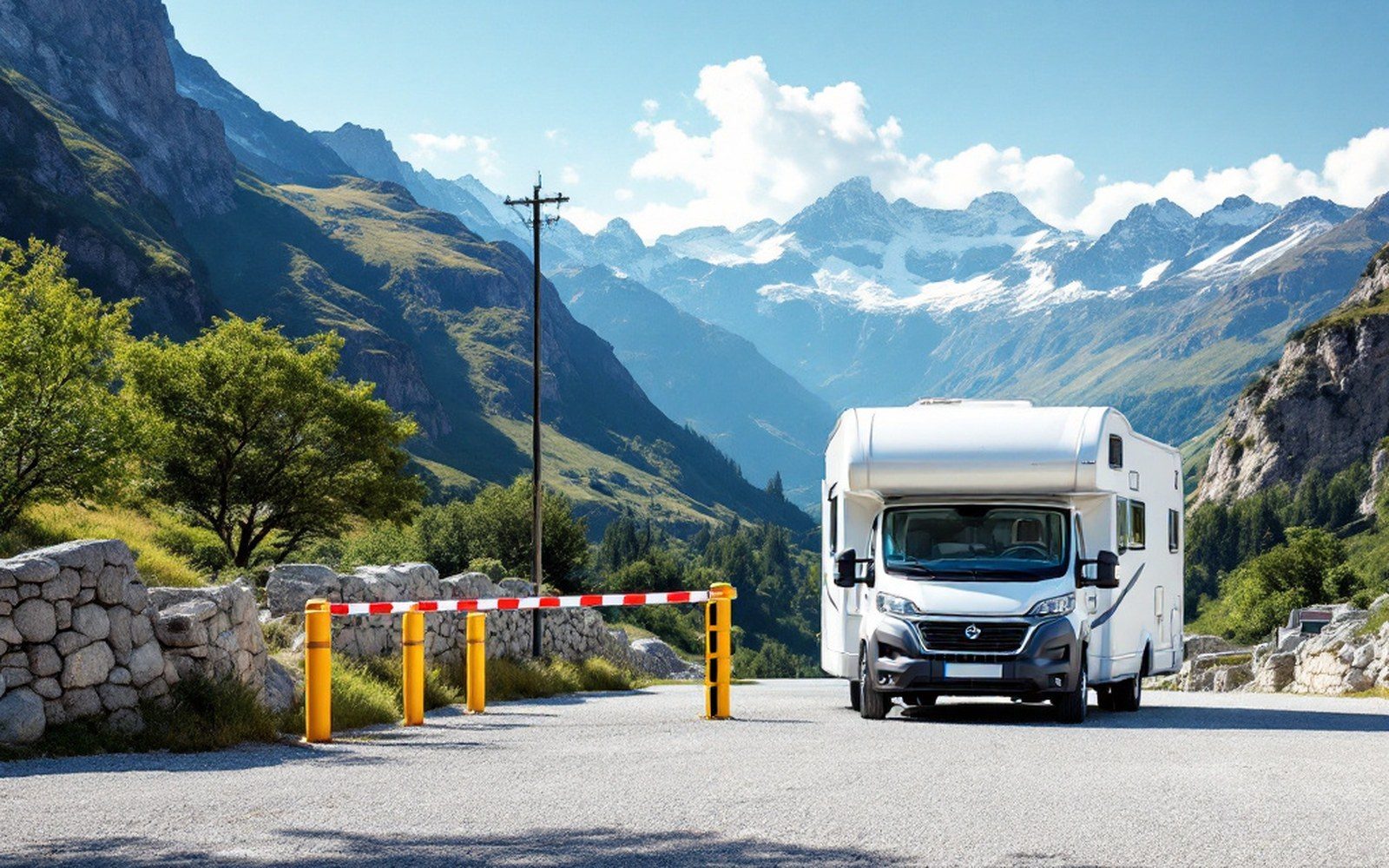
A number of sostas are listed in the Camper Service network and appear in widely used apps, but the OpenStreetMap data for motorhome sites in Italy is incomplete, and on-the-ground conditions change faster than any database. A sosta that was free last season may have installed a barrier and a contactless payment reader this year. The sign at the entrance is always the governing document.
What a campeggio is, and why the distinction matters
A campeggio (campsite) is a regulated tourist facility under Italian regional law. Each region sets its own classification framework — typically one to five stars — covering minimum pitch dimensions, sanitation ratios, the provision of drinking water points, electrical supply standards, and the presence of reception staff. Operators must hold a licence, submit to periodic inspection, and display their classification prominently. The guest relationship is a commercial accommodation contract, which carries its own consumer protections and tax implications: the municipal tourist tax (imposta di soggiorno) generally applies at campsites but not at sostas.
The pitch on a campeggio is your space for the duration; the bay on a sosta is not. A campeggio with touring pitches will accommodate a van of almost any practical size, because the pitch size is a regulated minimum and the site is built around accommodating visitors for multiple nights. A sosta assumes a brief, functional stop. Some sostas — particularly those that have grown to fifty or more bays, added toilet blocks and electric points, and operate with a full-time attendant — look physically similar to a simple campsite. Legally and operationally they are not the same thing, and the regime governing length of stay, what structures can be erected (awnings, for instance, are often prohibited at sostas), and what happens if something goes wrong differs substantially.
The other practical difference is location. Campsites, because they require land, planning permission and infrastructure investment, are generally on the edge of towns or in designated tourist zones. Many of Italy's most visited historic centres — Lucca, the hill towns of Tuscany, the approaches to the Dolomites — have no campeggio within walkable distance. They may, however, have a sosta positioned specifically to let motorhomes access the town without entering the ZTL (zona a traffico limitato, the camera-enforced restricted traffic zone) that protects the historic core. The sosta is doing the work of a park-and-ride, not a holiday park. Using it well means understanding that.
The service column, and what happens when it does not work
In practice the most frequent friction at a sosta is the service column itself. Coin-operated and card-operated machines break, freeze in winter, and occasionally run dry when a lorry of fresh water has not arrived. A column that accepts a standard European camping-card token, a coin, or a contactless card does not always advertise clearly which at the entrance. Arriving with the wrong payment format and no flexibility is the commonest reason people leave a sosta without using it.
The grey drain — typically a recessed grate fed by a short hose from the van's waste tank — is not designed to accept food waste or anything other than grey water. The chemical dump point (carico WC or scarico chimico on Italian signage) is a separate aperture, sometimes locked, sometimes on a timer, and is not interchangeable with the grey drain. Using one for the other is the surest way to encounter a real sign in unambiguous Italian. Italian regional regulations governing motorhome service areas vary, but the distinction between the two outlets is consistent across the network.
Operators must hold a licence, submit to periodic inspection, and display their classification prominently.
What the column does not provide: rubbish disposal is frequently absent or locked, toilet blocks are the exception, and a reliable electrical supply at the amperage required to run a roof air-conditioner is rarer than the hookup post would suggest. A sosta is provision for the van's systems, not a substitute for the amenities a campeggio is legally required to supply.
None of which makes it inferior. A well-placed sosta outside a walled town — emptied, filled and charged overnight before an early walk in — is precisely what it is supposed to be. The mistake is arriving expecting a campsite.

Using one for the other is the surest way to encounter a real sign in unambiguous Italian.